


How to Protect Your Truck’s Exterior from North Texas Roads
North Texas roads dish out some of the harshest punishments a diesel pickup will ever face. At Texas Truck Barn in Fort Worth, our team sees the damage firsthand. Chipped paint, rust-pocked rockers, and water-logged truck beds. Knowing how to protect your truck’s exterior before that damage starts saves real money. The right combination of grille guards, mud flaps, and tonneau cover maintenance forms a three-layer defense against I-820’s construction zones, sudden DFW downpours, and the flying gravel that trails every flatbed in the Metroplex.
Here’s a quick-reference breakdown of the three upgrades that matter most on DFW highways:
- Heavy-duty grille guard — Shields the grille, headlights, radiator, and front fascia from highway debris and low-speed impacts. Frame-mounted steel options (like Ranch Hand Legend guards) mount at four points for maximum rigidity.
- Vehicle-specific mud flaps — Mount behind all four wheels using factory hardware. Extend wide enough to match lifted suspension and aggressive tires. Brands like Husky Liners offer lifetime warranties and a clean, factory-style finish.
- Sealed tonneau cover with EPDM weather stripping — Keeps cargo bone-dry through surprise storms. Inspect seals every 6 months; replace any cracked or flattened EPDM strips immediately.
The Debris You Don’t See Until It’s Too Late
Anyone who drives I-820 or SH-183 regularly knows the drill: one construction zone bleeds into the next, and loose aggregate kicks up from truck tires like buckshot. According to Go Industries, a Texas-based accessory manufacturer, mud flaps serve a role far beyond keeping a truck clean. They reduce wind drag, protect surrounding motorists, and, critically, stop road salt and wet gravel from clinging to fender wells where rust quietly takes hold.
For diesel trucks towing a boat trailer or fifth-wheel camper, the stakes double. Every pebble your rear tires launch backward becomes a windshield threat to whatever you’re pulling. Ark Splash Guards notes that tires spin with enough force to send rocks, mud, and water directly into body panels, undercarriage components, and suspension parts. Vehicle-specific mud flaps — the kind that bolt to factory mounting points rather than using zip ties — interrupt that upward trajectory and redirect debris safely downward.
Sizing matters. If your diesel rides on a lift kit or runs wide tires, oversized flaps from a brand like RealTruck or Husky Liners give better coverage than stock-width options. Standard guards work fine for factory-height trucks. Either way, match the flap width to the full span of tire exposure so no gravel sneaks around the edges.
Front-End Defense: Why a Grille Guard Is Worth Every Penny in DFW
A diesel engine’s cooling system is expensive to repair. The radiator, intercooler, and associated hoses all live right behind the grille — exactly where highway debris, deer, and low-speed yard impacts land first. Upfit Supply explains that heavy-duty, one-piece steel guards welded from heavier-gauge tubing and frame-mounted at four locations can prevent the kind of front-end damage — cracked grilles, broken headlight housings, bent fascias — that adds up fast over a truck’s service life. A single deer strike at highway speed can total the entire front end. A proper grille guard frequently keeps the truck drivable after an impact that would otherwise leave it off the road for weeks.
Putco’s Extreme Bolt-On Steel Grille Guard is a solid example: it’s vehicle-specific, follows factory body lines, mounts to factory points without drilling, and finishes with an e-coat base plus gloss-black powder coat for corrosion resistance. For fleet-level use or high-mileage daily drivers, Ex-Guard’s FX/HX Series uses 11-gauge high-tensile steel with PVC coating. Both are engineered to maintain compatibility with collision mitigation sensors and adaptive cruise control — a must on newer Ram, F-250, and Silverado HD platforms.
How to Protect Your Truck’s Exterior Through a DFW Downpour
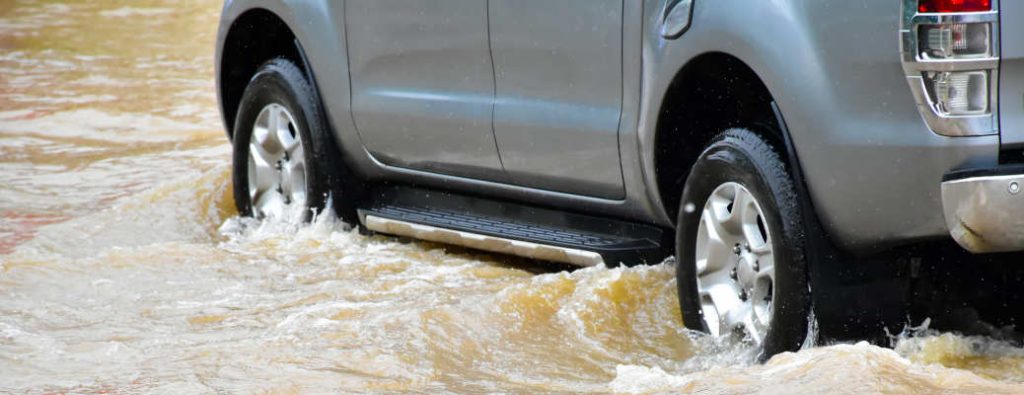
North Texas doesn’t ease into rain. It skips straight to flash flood. The Texas Department of Transportation warns that as little as six inches of fast-moving water can cause a pickup truck driver to lose control of the vehicle. And when the storm passes, the standing water soaks into every gap a truck has — especially the truck bed, if the tonneau cover’s weather stripping has cracked or flattened.
Bison Tonneau Covers recommends these specific maintenance steps for folding and roll-up tonneau covers:
- Clean seals monthly — Dirt prevents the rubber from making full contact with the bed rail. A quick wipe-down with a damp cloth takes two minutes.
- Inspect every 6 months — Especially after heavy rain seasons. Look for compression loss, cracking, or gaps at the corners where water pools first.
- Reapply waterproofing treatment — After any extended rain exposure. Test the seal by spraying a hose directly at the cover and checking for seepage inside the bed.
- Replace tailgate seals proactively — A rubber or foam adhesive strip along the tailgate’s inner edge closes the most common leak point on folding covers.
- Use EPDM weather stripping for retractable covers — If a gap exists between the canister and the front bulkhead, Bison recommends foam weather stripping or gasket tape to block water from running down into the bed behind the canister.
Hard-shell and aluminum tri-fold covers hold up better in heavy rain than soft vinyl options. But even rigid covers benefit from fresh EPDM edge seals to block dust and debris ingress. EPDM rubber, the same material used in automotive door seals, resists UV degradation and stays flexible in both 100°F Fort Worth summers and freezing North Texas snaps.
You Might Also Like: Find Out About Duramax Diesel Pickup Trucks
Your DFW Pre-Owned Diesel Headquarters — Texas Truck Barn Has You Covered
Protecting a diesel pickup is a smart investment, and it starts with the right truck. Texas Truck Barn, Fort Worth’s pre-owned diesel truck specialist, carries a hand-picked inventory of heavy-duty pickups. Ram 2500s, Ford Super Duties, and Chevy Silverado HDs. They’re ready to haul, tow, and take on whatever I-820 throws at them. Our team knows North Texas roads and knows what these trucks need to survive them. Stop by our Fort Worth lot, browse online, or give us a call. Whether you’re shopping for your next diesel or want advice on upgrades for your current truck, Texas Truck Barn is your local resource. We keep Fort Worth hauling. Come see us — your next truck is ready when you are.