

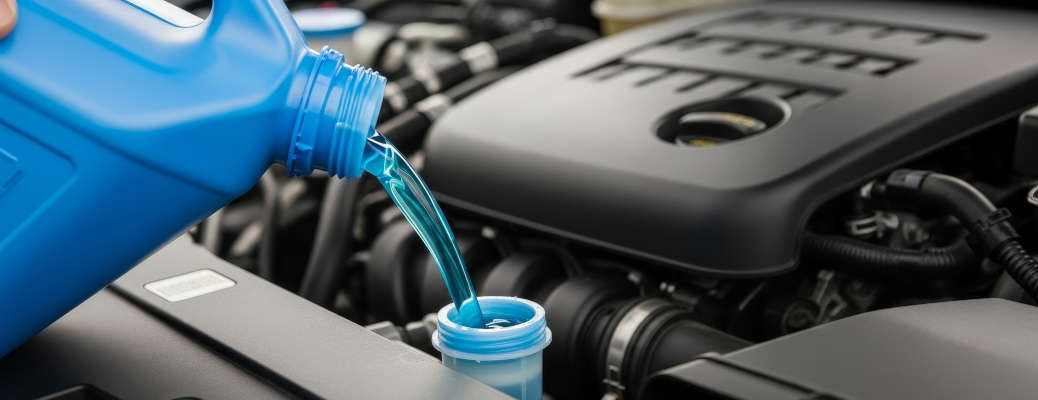
Pickup Truck Cooling System Check
Texas springs are notoriously brief, often serving as a mere gateway to the relentless heat that defines our summers. Since we are based at Texas Truck Barn in Fort Worth, we understand that a diesel engine facing a triple-digit afternoon requires more than just a prayer to stay operational. While the wildflowers are currently in bloom, the window for preventative maintenance is closing rapidly. Consequently, taking the time now for a thorough pickup truck cooling system check ensures your heavy-duty rig stays on the road instead of steaming on the shoulder of I-35.
The Critical Role of Diesel Coolant Chemistry
Diesel engines generate immense internal heat, especially when you are towing a trailer or hauling a full bed through North Texas traffic. Because these engines rely on high-compression ratios, the cooling system must work significantly harder than its gasoline counterparts. First, you should inspect the condition of your Nitrite-Free Extended Life Coolant (ELC). Over time, the chemical balance shifts, which can lead to liner pitting or internal corrosion. Furthermore, maintaining the correct pH balance prevents the buildup of “silicate dropout,” a gooey substance that can clog your radiator passages and cause localized overheating.
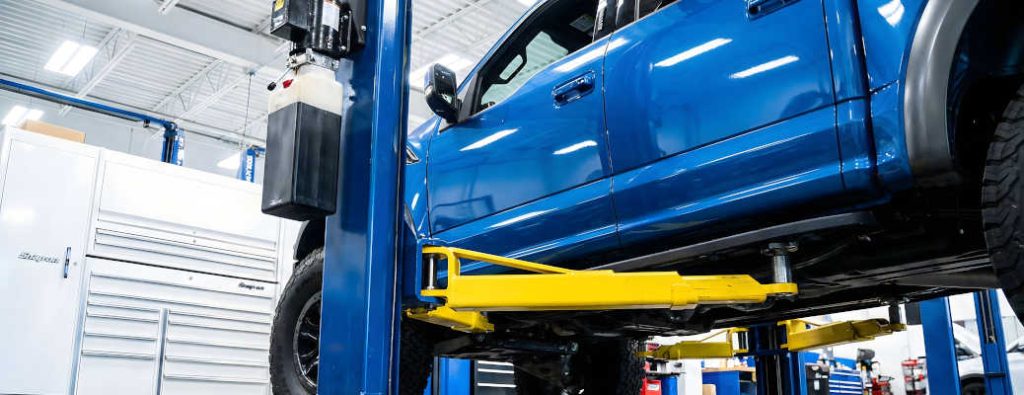
Components of a Pickup Truck Cooling System Check
A visual inspection is a great starting point, but a truly professional evaluation goes much deeper into the mechanical heart of your vehicle. During a comprehensive pickup truck cooling system check, several specific areas require your undivided attention:
- Radiator Fins: Check for bent fins or debris like mud and insects that can restrict airflow.
- Hose Integrity: Squeeze the upper and lower radiator hoses; if they feel spongy or brittle, they are prone to bursting under pressure.
- Water Pump Weep Hole: Look for any signs of dried coolant or moisture around the pump, as this indicates an imminent seal failure.
- Thermostat Function: Ensure the valve opens at the correct temperature to allow full flow to the radiator.
- Fan Clutch: Listen for the roar of the fan when the engine gets hot; a failing clutch won’t move enough air at low speeds.
You Might Also Like: Cummins vs Duramax vs Power Stroke
Don’t Ignore the Small Signs of Trouble
Moreover, you should pay close attention to your dashboard gauges and any unusual scents coming from the engine bay. If you smell a sweet, maple-syrup aroma after a long drive, you likely have a pinhole leak that is vaporizing before it hits the ground. Similarly, if your temperature needle begins to creep higher than usual while idling at a red light in Fort Worth, your fan shroud or electric fans might be underperforming. Addressing these minor symptoms in April prevents a catastrophic engine failure in July.
Secure Your Summer Performance at Texas Truck Barn
Our team is ready to help you navigate the upcoming heatwave with confidence and reliability. As the premier destination for pre-owned diesel pickups in Fort Worth, Texas Truck Barn offers the expertise needed to keep your Duramax, Power Stroke, or Cummins running at peak efficiency. We invite you to visit our dealership today to browse our latest inventory or to discuss how to keep your current rig in top shape. Stop by one of our locations today and let us ensure your truck is ready for the long, hot road ahead.